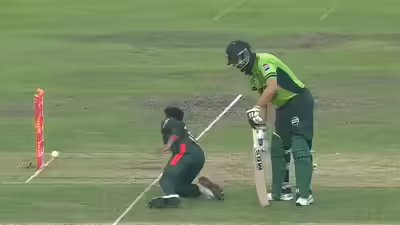
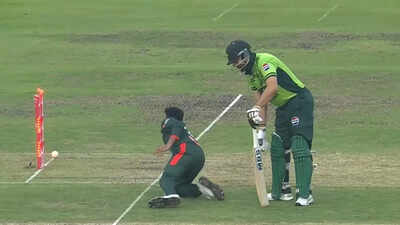
The Marylebone Cricket Club (MCC), the custodian of the laws of cricket, on Monday clarified that the controversial run-out during the Bangladesh vs Pakistan ODI match was correctly given under the laws of cricket.“Under the law, there is little that either umpire could have done differently. The non-striker was clearly out of his ground when the wicket fell, and the ball was in play. It is out,” MCC said in a statement. The MCC statement added, “It is also worth noting that the non-striker left his ground when the ball was in motion and after hitting Mehdi began to try to regain his ground. Furthermore, no batsman should try to pick up the ball without the consent of the fielding side, and if he did so he would risk obstructing the field. It is better to use that time to try to regain his ground.”“Pakistan batsman Salman Ali Agha was involved in an unusual and controversial dismissal during the second ODI against Bangladesh at the Sher Bangla National Cricket Stadium in Dhaka last week.The incident happened in the 39th over of Pakistan’s innings when the visitors were building a strong partnership. Agha and Mohammad Rizwan were at the crease and added 109 runs for the fourth wicket after Pakistan lost their first three wickets.On the fourth delivery of the over, bowled by Bangladesh captain Mehdi Hasan Miraz, Rizwan played a gentle push down the ground. The ball rolled to Agha, who was standing outside the crease at the non-striker’s end after backing up.As soon as the ball made contact with his pad, Agha bent down and tried to pick it up. Miraz quickly collected the ball and broke the stumps with Agha still out of the crease, appealing for a run-out.The on-field umpire upheld the appeal and sent the decision up. The third umpire also confirmed Agha’s dismissal and gave the decision in favor of Bangladesh.This decision left the Agha visibly disappointed as he walked back to the pavilion. The pictures showed the Pakistani batsman expressing his displeasure after being dismissed.On suggestions that the ball should have been ruled dead, the MCC clarified, “There are some suggestions that the ball should have been considered dead. This is not enforceable under the rules; the ball is not dead when players collide – if it did, it would encourage players to collide when the situation is advantageous.” There was no question of a serious injury, so there could not have been a dead ball call for him. It could not have been clear to the umpire that all the players had stopped putting the ball in play, as Mehdi clearly believed it was live, even if Agha did not. And it couldn’t ultimately be settled in the hands of the bowler or the wicketkeeper, because it was on the ground.”