Electric vehicles are slowly becoming mainstream in India. With more options on sale, better driving range and a growing charging network, EVs are now a practical choice for many buyers. That said, buying an electric car is still different from choosing a petrol or diesel model. A few key checks before you make the switch can make a big difference.– The first thing to consider is your daily usage. EVs are best suited for predictable routines like office commuting or regular city driving. If your daily commute is around 50-70 km, most modern electric cars will handle it comfortably without frequent charging. However, if your usage includes regular highway trips, you’ll need to plan ahead. Long-distance EV travel in India still involves mapping out charging stops and spending around 30-45 minutes at a fast charger.Range is another factor that needs careful attention. While manufacturers quote ARAI-certified figures, real-world numbers may vary depending on driving conditions, traffic and air conditioning use. Most buyers today look for a practical range of around 350-450 km for peace of mind. Weather also plays a role. High temperatures, which are common in cities like Chennai or Delhi, can affect battery performance over time.
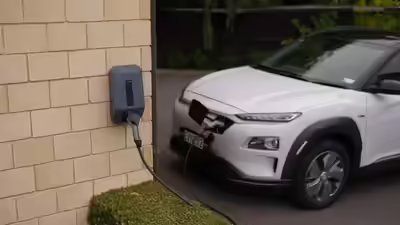
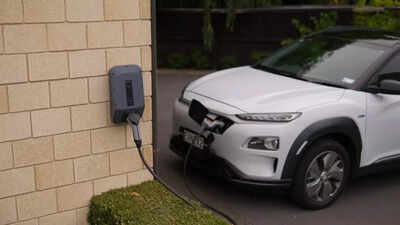
-Charging is probably the most important aspect before buying an EV. For most consumers, home charging is the most convenient and cost-effective option. Typically, owners park their cars overnight and start the next day with a full charge. If you live in an apartment, it’s important to confirm whether your housing society allows the installation of a charger, as this can sometimes be a bigger challenge than a car.-Running costs are one of the biggest advantages of EVs, but they depend a lot on how you charge them. Charging at home usually costs Rs 6 to Rs 10 per unit, while public fast chargers can cost between Rs 12 to Rs 25 per unit. This means that public charging can be two to three times more expensive than home charging. Even so, EVs remain cheap to run, costing between Rs 0.5 to Rs 1.5 per km compared to Rs 6 to Rs 8 per km for petrol cars.Cost is another factor where EVs still differ from conventional cars. In many cases, electric cars cost about 20-35 percent more. However, they compensate over time in lower running and maintenance costs. For consumers who drive more than 12,000–15,000 km annually, the cumulative savings may make EVs a sensible choice in the long run.