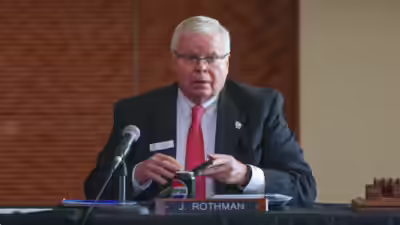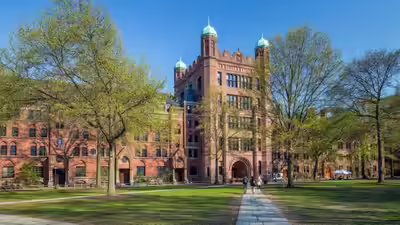

The Pentagon is set to eliminate several military fellowship positions at Yale University starting next academic year, sharply escalating tensions between the U.S. Department of Defense and elite academic institutions over ideological differences.According to university officials, at least three fellowship slots — two from the Army and one from the Marine Corps — will not continue, following a directive issued by U.S. Defense Secretary Pat Hegseth in February. The move comes amid broader criticism from the Pentagon, which has accused Yale and institutions like it of promoting “awakened” ideologies and failing to adequately prepare military leaders.
Three fellowship positions will be withdrawn.
While an earlier memo suggested that only two positions associated with Senior Service College Fellowships would be affected, Yale’s liaison to Veterans and Military Affairs confirmed that a total of three fellowships are being discontinued.The decision affects programs that allow senior military officers to pursue advanced studies in fields such as international relations, national security and public policy. These fellowships have historically been part of a long-standing academic-military collaboration aimed at strengthening strategic leadership within the armed forces.
Yale pushes back, highlights military contribution.
In response to the development, Yale President Maury McInnes defended the university’s engagement with the military, emphasizing its role in fostering informed leadership through awareness of diverse academic perspectives.He emphasized that Yale maintains “longstanding and productive relationships” with both active duty personnel and veterans. Currently, the university hosts two dozen active duty service members in programs with veterans and ROTC participants.Rejecting accusations of ideological bias, McInnes said Yale fosters open debate, diverse perspectives, and critical inquiry, which are essential to military and civilian leadership alike.
The Pentagon proposed alternative agencies.
In its directive, the Pentagon outlined a shift toward partnerships with institutions that meet certain criteria, including “intellectual independence” and minimal opposition to the Department of Defense.Alternative universities under consideration reportedly include Liberty University and several public institutions that offer graduate programs in national security and international affairs.The move signals a broader overhaul of where and how U.S. military leaders are academically trained.
Concern over impact on military education
Yale-affiliated faculty and military scholars have expressed concerns about the long-term impact of the decision.Professor John Gaddis, a noted historian of military strategy, called the move “short-sighted” and warned that removing military officers from a rigorous academic environment could undermine strategic thinking.Similarly, current military scholars at Yale highlight the importance of interdisciplinary training. Lt. Col. Brandon Collas, pursuing a doctorate in political science, noted that expertise in fields such as statistics, demography, and game theory have been “invaluable” to his work on military recruitment.
A long-standing relationship under strain
Yale’s commitment to the U.S. military includes programs such as ROTC, which was reinstated on campus in 2012 after a decades-long hiatus. The university also hosts special research initiatives in the Jackson School of Global Affairs, focusing on global strategy, artificial intelligence and national security.The Pentagon’s decision to end the fellowship relationship now raises questions about the future of such cooperation, especially at a time of growing geopolitical complexity.