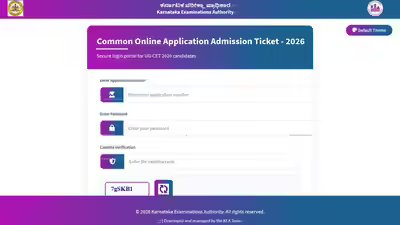

Harvard University has issued an urgent cybersecurity advisory after discovering an ongoing and targeted phishing campaign in which attackers are impersonating university IT personnel to gain access to user accounts and sensitive institutional data. The alert, circulated among students, faculty and staff, warns of sophisticated social engineering tactics that include direct phone calls and persuasion through fake websites designed to closely mimic Harvard’s official platforms. The development, as previously reported by The Harvard Crimson, highlights growing vulnerabilities at higher education institutions, where large digital ecosystems and decentralized communication channels make users vulnerable to such attacks. As universities around the world face an increase in cyber threats, Harvard’s latest warning emphasizes the need for rapid awareness and rapid response mechanisms to protect personal and institutional information.
Nature of threat: impersonation and fraud tactics
According to internal university communications, attackers are actively reaching out to affiliates, posing as members of the IT department. These interactions often involve encouraging individuals to join live phone calls or directing them to fake webpages that mimic Harvard’s official login portals.The goal is to extract sensitive information such as usernames, passwords, and authentication details. In some cases, users can also be tricked into installing software or executing commands that compromise their devices.Michael Tran Duff, Harvard’s chief information security and data privacy officer, called the situation “an active and specific cybersecurity threat,” stressing the urgent need for vigilance.
What is being communicated to consumers.
University authorities have issued clear instructions to affiliates to avoid falling victim to the scam:
- Do not respond to unsolicited communications purporting to be from Harvard IT.
- Avoid clicking on unknown links or logging into unfamiliar websites.
- Never install software or follow technical instructions from unauthenticated callers.
- Make sure all legitimate Harvard websites end with the “.edu” domain.
These precautions are intended to reduce the risk of credential theft and prevent further breaches.
Part of a wider trend in universities
Harvard’s warning is not an isolated case. Similar cyber attack patterns have recently been reported in other educational institutions. In particular, the University of Pennsylvania Annenberg School alerted its community to nearly identical phishing attempts involving impersonation and fake university web pages.Such incidents point to a broader wave of “advanced social engineering attacks,” where cybercriminals exploit human behavior rather than just technical vulnerabilities. Universities, with their open networks and diverse user base, have become an increasingly important target.
Recent Cyber Security Events at Harvard
The current warning follows a series of security challenges Harvard has faced in recent months. In September, cybercrime group Clop claimed it had breached a university by exploiting a vulnerability in enterprise software, threatening to release stolen data.In another incident reported later, a phone-based phishing attack resulted in unauthorized access to donor and contact information within Harvard’s Office of Alumni Affairs and Development. These episodes have raised concerns about data protection and institutional resilience.
Importance of prompt reporting
University officials stress that timely reporting of suspicious activity is important to limit damage. Affiliates who believe they may have been targeted or compromised are urged to report incidents immediately.Duff noted that even a short delay can significantly impact the university’s ability to respond effectively and secure affected systems.
A growing need for cyber awareness in academia
The latest incident serves as a reminder of the evolving nature of cyber threats facing educational institutions. As attackers improve their methods, consumer awareness and digital hygiene remain the first line of defense.Experts advise that organizations should continue to invest in cybersecurity infrastructure while also educating their communities on how to identify and respond to phishing attempts. For students and staff alike, vigilance is no longer optional—it’s essential.(with input from Harvard Crimson)